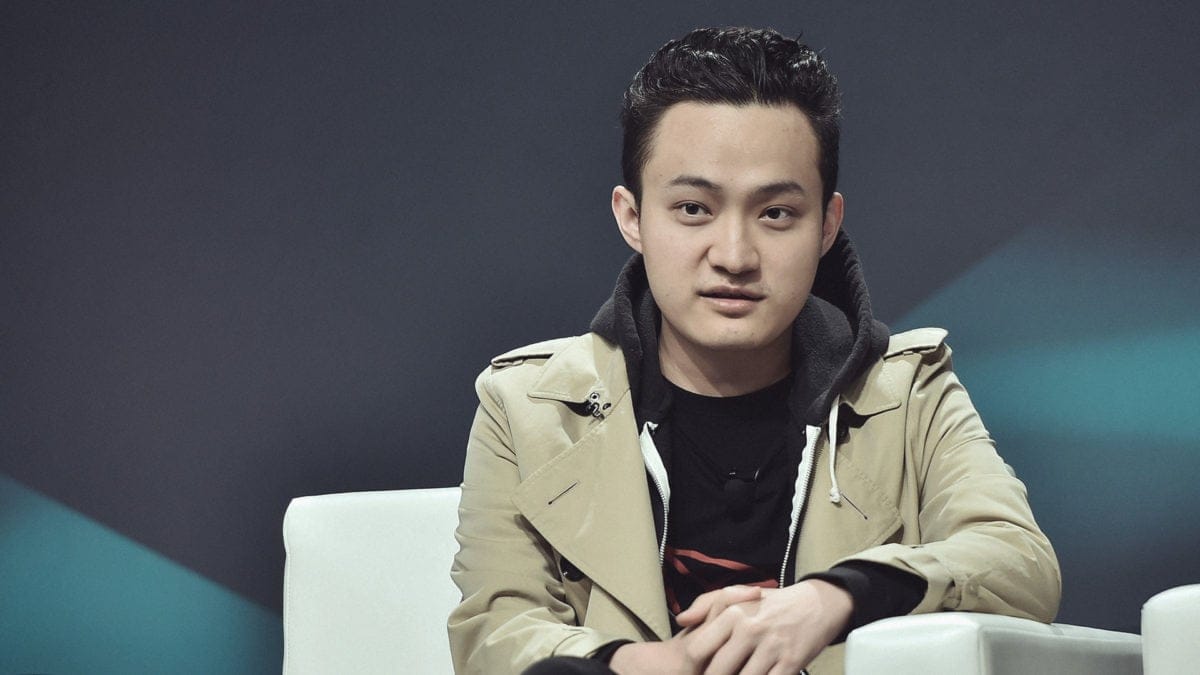
Justin Sun's $30 million investment in World Liberty Financial — the Trump family's crypto venture — and subsequent appointment as an advisor represents an unusual convergence of DeFi influence and political capital. Sun is simultaneously the founder of TRON, a blockchain processing more USDT volume than Ethereum, the controlling owner of Huobi (now HTX), and an advisor to a DeFi protocol backed by the former and prospective US president. The arrangement is notable both for what it signals about crypto's political moment and for the governance conflicts it creates.
WLF describes itself as a DeFi protocol focused on making decentralized finance accessible to a broader audience. Its primary product at the time of Sun's investment was a governance token (WLFI) and a lending protocol built on Aave's infrastructure. The Trump family holds significant token allocations; the protocol generates revenue through token sales and, eventually, through lending fees if the protocol achieves meaningful TVL.
Sun's $30 million investment was made in WLFI tokens. At the time of purchase, WLFI was not tradable — the tokens carry restrictions preventing secondary market sales. The investment is therefore primarily a show of political and commercial alignment rather than a liquid financial position.
Sun's concurrent roles — TRON founder, Huobi operator, WLF advisor — create potential conflicts in several dimensions. TRON competes with Ethereum and Aave's native network for DeFi users; as an advisor to a protocol built on Aave, Sun has access to strategic information that could inform competitive decisions. Huobi's user base is a potential distribution channel for WLF products; Sun's advisory role provides access to WLF deal flow that Huobi could commercialize.
"Justin Sun is simultaneously a potential counterparty to, a competitor of, and an advisor to World Liberty Financial. That's not a conflict of interest — it's three conflicts of interest."
The WLF-Sun arrangement is part of a broader pattern: crypto industry figures with massive capital concentration are making strategic investments in politically connected projects. Whether these investments generate financial returns is secondary to their political and regulatory objectives.
For DeFi governance observers, the WLF model raises a question that has no clean answer: can a DeFi protocol with meaningful political connections maintain the governance neutrality that makes DeFi valuable? WLF's Aave-based infrastructure is permissionless at the technical level. Its governance — who advises it, who holds large token positions, who benefits from its regulatory environment — is anything but. The Sun investment is a reminder that the political layer of DeFi is as contested as the technical layer, and significantly less transparent.
Keywords: Justin Sun, World Liberty Financial, DeFi politics, TRON investment, crypto institutional, Trump DeFi
Source: legacy